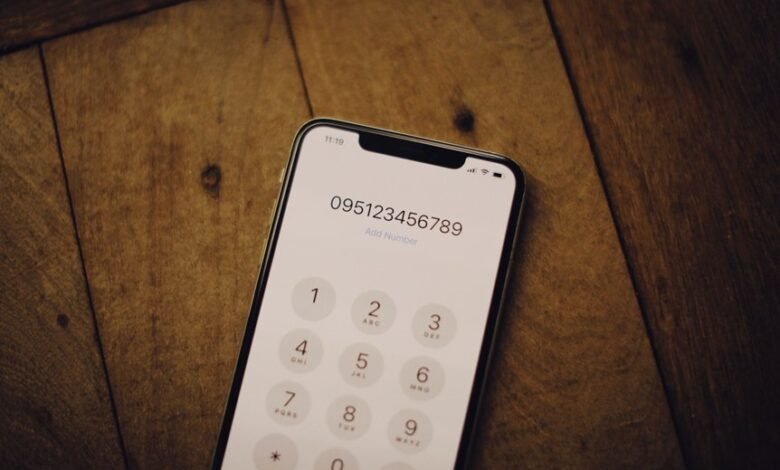
The sequence 7148425431 often signals more than a simple phone number. It may function as a mnemonic, code, or filtering cue within a system, signaling indexing or targeting rather than conveying plain contact details. In telemarketing and scams, such numbers can prompt curiosity, bypass caller ID scrutiny, or lure engagement. Understanding its role helps distinguish legitimate contacts from risky ones, framing practical steps to verify, document patterns, and apply cautious caller ID strategies. The implications deserve careful consideration before acting on any call.
What 7148425431 Might Signify and Where It Fits
The string 7148425431 may function as a mnemonic, a coded identifier, or a reference point within a larger framework, depending on the context in which it appears.
In practice, unfamiliar numbers can signal scattered data points, facilitating quick recognition or filtering.
Caution remains essential: telemarketing scams sometimes exploit such identifiers to appear legitimate or urgent, inviting risky interactions.
How Telemarketing and Scammers Use Unfamiliar Numbers
Unfamiliar numbers, such as 7148425431, can serve as placeholders or flags that telemarketers and scammers exploit to bypass caller ID scrutiny and prompt curiosity.
Telemarketing tactics often rely on unfamiliar numbers to intrigue recipients, prompting engagement before skepticism forms.
Clear scam indicators emerge through inconsistencies, while caller ID spoofing erodes trust, reinforcing the need for prudent discernment and informed autonomy.
Practical Steps to Handle Unknown Calls Safely
Unknown calls can be disruptive, but a calm, structured response minimizes risk and preserves time. The approach favors detachment and verification: ignore vague threats, request identity, and end calls when pushed beyond legitimacy. Document patterns to identify privacy consequences, and employ caller ID strategies that reveal data only when necessary. Prioritize secure communication habits, and avoid exposing sensitive information to unverified sources.
Protecting Your Privacy Without Missing Legit Contacts
Protecting privacy while staying reachable hinges on disciplined filtering and verification. The approach favors privacy safeguards that distinguish urgent messages from casual interruptions, without severing lines to legitimate contacts. A smart system flags unfamiliar numbers, cross-checks known registries, and prioritizes verified contacts. This balance maintains autonomy while preserving essential connections, ensuring privacy without sacrificing legitimate contacts or timely communication.
Frequently Asked Questions
What Does 7148425431 Correspond to Geographically?
The number 7148425431 corresponds to a geographic area code mapping, indicating a specific region rather than precise coordinates. It reflects geographic mapping and number attribution practices, enabling targeted contact routing while preserving user autonomy and exploratory freedom.
Can Spoofed Numbers Show up on Caller ID?
Yes, spoofed numbers can appear on caller ID, obscuring true origin. The detachment notes that vigilance is essential: employ spam blocking, report suspicious calls, and strengthen reporting security to safeguard personal freedom and telecommunications integrity.
Are There Apps That Reliably Block Spam Calls?
Yes, there are apps that reliably block spam calls. They assess caller id, flag spoofed numbers, and offer secure reporting, minimizing identity risk while balancing blocking reliability with user freedom to choose trusted communications.
How Can I Report a Suspicious Number Securely?
A person can securely report a suspicious number via official reporting channels, prioritizing privacy considerations and minimizing spying concerns; agencies emphasize scam reporting and data protection. The approach remains concise, strategic, and aligned with audiences valuing freedom.
Does Contacting the Number Reveal My Identity Risk?
Yes, contacting the number can expose identity. The detached evaluation notes potential privacy risks and caller ID exposure, urging cautious steps. It recommends minimizing shared personal details, using privacy tools, and documenting interactions for evidence and control.
Conclusion
In a quiet office, coincidence threads through the day: a caller arrives as the exact digits once glimpsed in a research note, a reminder that unfamiliar numbers often echo patterns we’ve observed before. The takeaway is practical but precise: verify, don’t engage blindly, and document trends. When a number aligns with known scam signals, filter it. When legitimacy surfaces, allow it. A careful balance preserves privacy while keeping channels open for trustworthy contacts.